Close preparation
Make month-end a visible process, not a scavenger hunt
A close has dependencies, evidence, and judgment calls. The useful automation gathers what is ready, shows what is not, and routes exceptions to the right owner. It does not manufacture reconciliations or close the books for you.
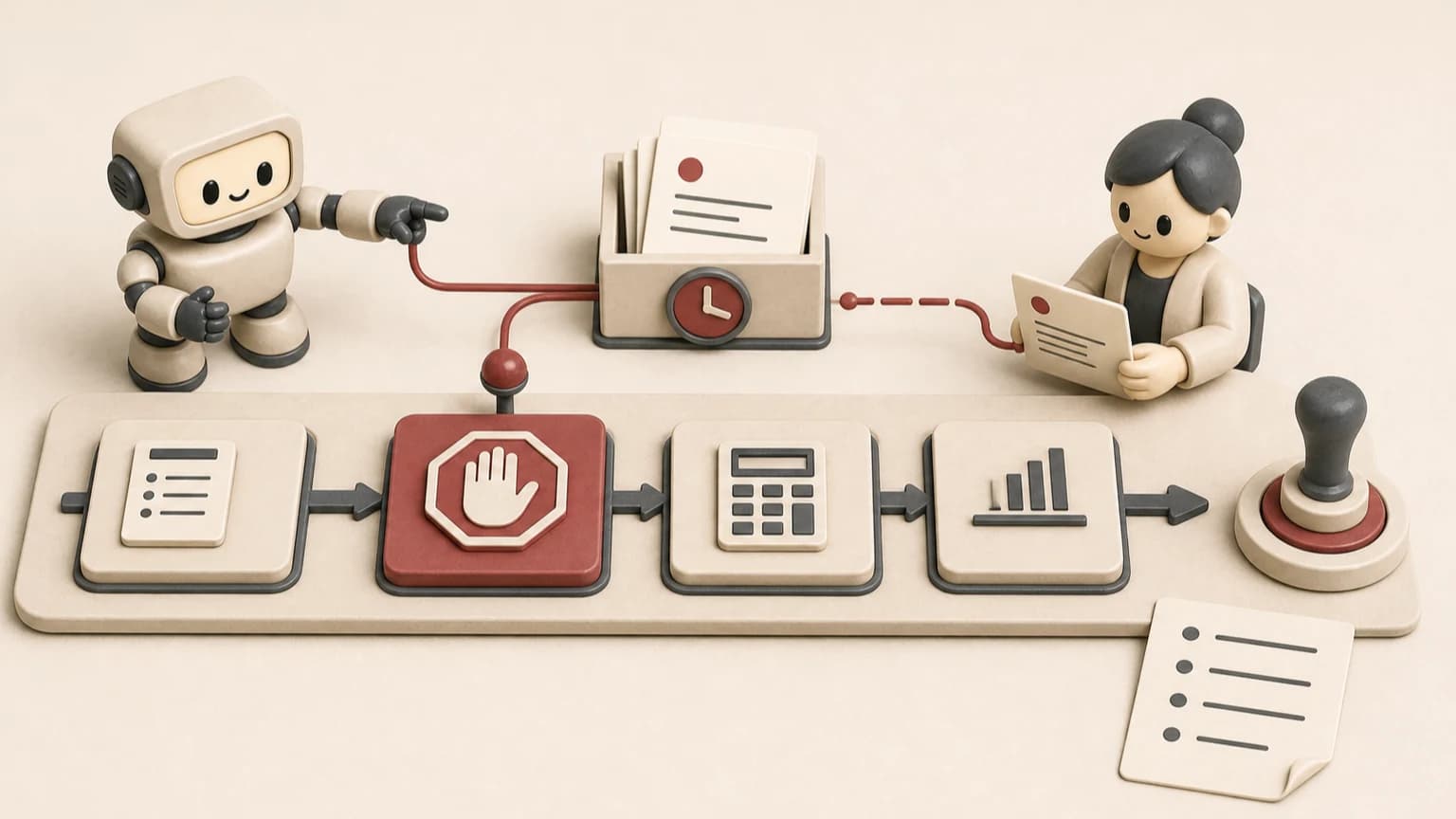
Close stays human
Accounting judgment, adjustments, and final sign-off remain with your authorized team.
Dependencies made visible
Every task has an owner, a prerequisite, and a clear status.
Evidence collected once
Source documents and status are gathered into the place your team already uses.
Manual fallback
The close can continue from the written process if a connection or workflow fails.
Chapter 01
Map the work
Start with the process, not the tool
01
Map the close as it happens
Follow the real checklist, including spreadsheets, inbox chases, late inputs, and the point where an accountant must decide.02
Expose the blockers
Identify which task waits on another task, which documents arrive late, and who can clear each exception.03
Check the software first
Start with the accounting platform's own checklist, recurring transaction, and workflow features before adding a separate automation layer.
Zoevin’s automation service is new and has not delivered a client engagement yet. My experience comes from building automation in salaried in-house roles.
Chapter 02
Build the right path
A bounded workflow with an owner
01
Create the operating map
Define tasks, ownership, inputs, prerequisites, exception states, and the final human sign-off.02
Automate preparation
Collect supporting documents, issue reminders, update status, and prepare drafts only where the rule is explicit.03
Design the stop points
A missing reconciliation, late document, or unexpected amount becomes a visible exception for the named owner.
Chapter 03
Prove and hand over
Acceptance is more than a happy path
The checklist shows what is blocked
The team can see the task, its prerequisite, and who can move it forward.No accounting judgment is invented
The workflow never posts an adjustment, approves a payment, or marks a close complete on its own.The process survives a failed run
The team can continue from the known checklist and source documents without reconstructing the month.
You receive the process map, decision memo, workflow export, access and secrets design, failure register, runbook, rollback, and handover record. See a fictional example of that artifact set.
Before we start
Know the boundaries
When this is the wrong buy
The close is not yet defined
Automation cannot settle disagreement about who owns a task or what proof makes it complete.A platform feature already fits
If the current accounting system provides the needed checklist or workflow, use it before funding a custom layer.You need bookkeeping or accounting advice
This is process automation. It does not replace a bookkeeper, controller, accountant, or tax professional.
Next step
Bring the real workflow to a fit consult
Bring the systems involved, the person who does the work, and an example of an exception. The first answer may be a setting you already own. If mapping is worthwhile, the next step is a fixed-scope discovery.